Document Analyzer:
Answers With Sources.
An AI tool for a company in the energy industry. It reads long corporate and technical documents, pulls out the terms and figures teams need, and cites the exact page each answer comes from.
Role
AI Product Engineer
Stack
TypeScript, LLM, Document Pipeline
Industry
Energy
Scope
Ingestion, Extraction, Review
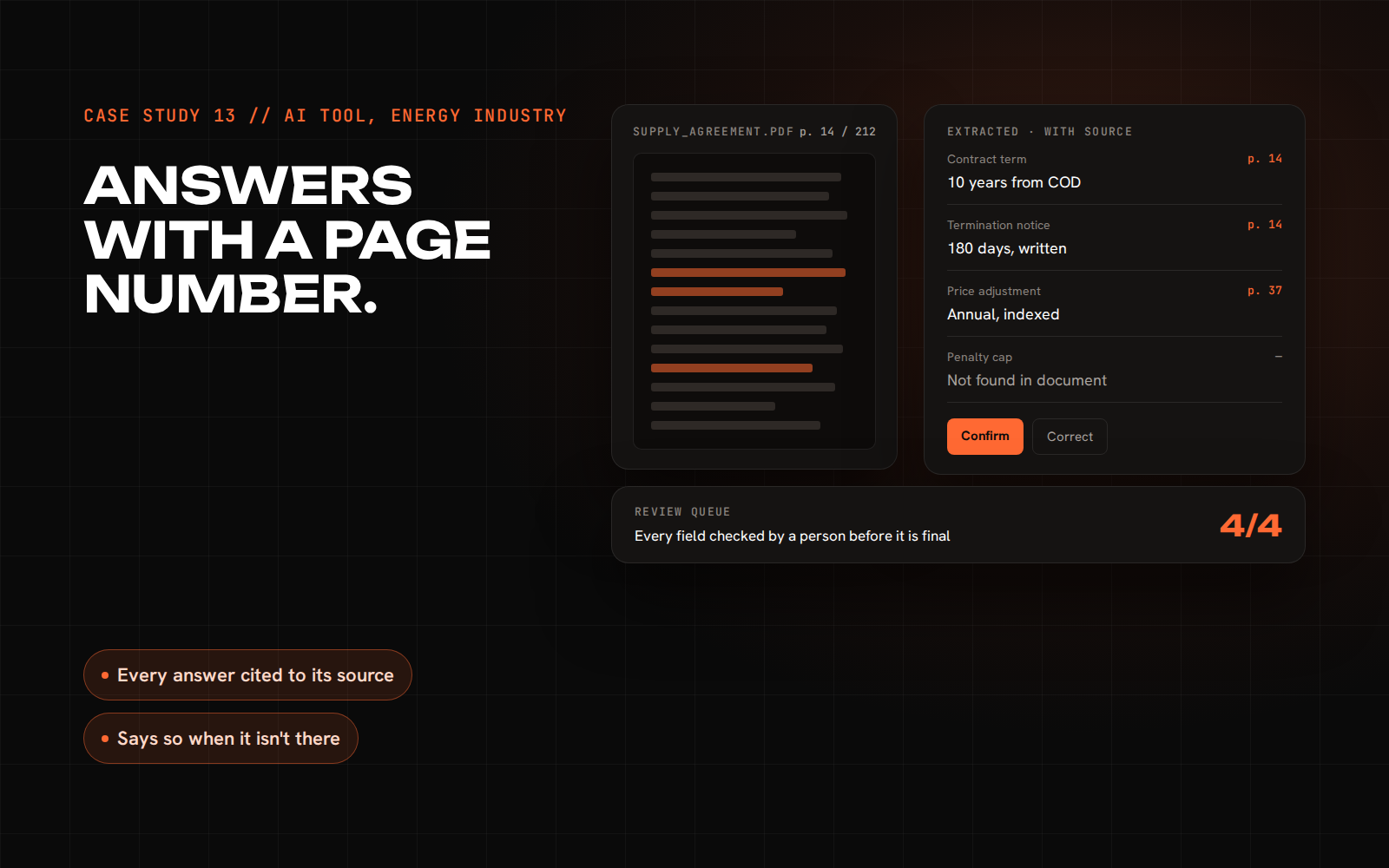
Fig 0.1 – Extracted terms with page citations, and a reviewer confirming each one.
01 // The Problem
Hundreds of
Pages, One Answer.
Energy companies run on long documents: agreements, regulatory filings and technical reports that run to hundreds of pages. People across the business need specific things from them, such as a term, a notice period, an obligation or a figure, and finding them meant reading the whole document or asking the one colleague who already had. It was slow, and easy to miss the clause that mattered.
02 // What I Built
Read, Extract,
Cite.
Documents go through a pipeline that keeps their structure: sections, tables and page numbers. Teams can ask questions or pull a defined set of fields from a document, and every answer comes back with the page and passage it was taken from. Results land as structured data the rest of the business can use, not as a block of generated text.
03 // The Hard Part
Trust Over
Fluency.
In a regulated industry a confident wrong answer is worse than no answer. So the tool is built to show its work. An answer without a source is not shown as an answer, and when the document doesn't contain something, the tool says so instead of filling the gap. Every extracted field goes through a person who confirms or corrects it, and those corrections become the test set the tool is checked against when anything changes.
04 // Guardrails
Confidential
by Design.
The documents are commercially sensitive, so access follows the user's role and the source files stay within the company's environment. The details of the client and the documents stay under NDA; what I can share is how the tool is built and why.
The Build.
How the tool is built to be trusted, rather than how fast it can produce text.