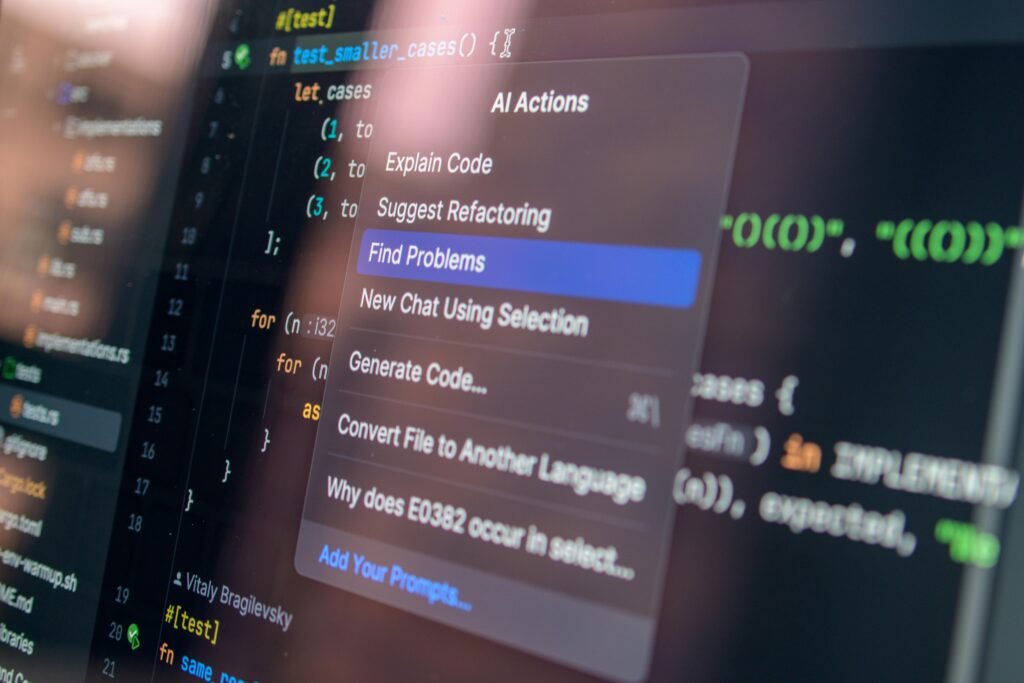
The loudest AI takes still reduce software development to keystrokes. If typing is the whole job, then of course a model that predicts the next line looks like a replacement threat.
But client work is never just typing. It is architecture, debugging, tradeoffs, accessibility, deployment risk, stakeholder management, and knowing when the fastest answer will create the most expensive mess.
AI removes repetition, not responsibility
AI is excellent at boilerplate, first drafts, helper snippets, documentation scaffolds, and rough implementation paths. That is useful. It should remove drudge work.
The second a product touches real users, legacy systems, analytics, security, browser quirks, CRM rules, and business logic, someone still has to own the final decision. Ownership is the part clients actually pay for.
The invisible work is the real work
Clients rarely notice the code you generated in five minutes. They notice the broken funnel, the impossible editor experience, the form that never reaches the CRM, or the redesign that tanked conversions.
A developer earns trust by preventing those failures before they reach production. That is not a prompt problem. That is systems thinking.
- Connecting content, design, analytics, SEO, and CRM logic into one reliable system.
- Translating vague stakeholder requests into maintainable technical choices.
- Cleaning up the hidden complexity that template-first teams leave behind.
The better question is who becomes more valuable
Developers who use AI as leverage will move faster, but the biggest gain is not speed. It is headroom. More time for better QA, stronger architecture, and sharper thinking.
The teams that will struggle are not the ones with developers. They are the ones that never built real engineering standards in the first place.
AI will not replace developers who understand systems, quality, and business context. It will make shallow implementation look cheaper, and real engineering look even more obviously valuable.